
Why Your EV Fleet Timeline Just Got Pushed Back Three Years
Henry Plunkett
Grid connection delays are stalling Australia’s electric vehicle fleet rollouts. But a growing number of operators are finding ways to keep their electrification plans on track.
The business case is done, the board has signed off, and funding is secured for charging infrastructure at the depot. Then the energy provider delivers the news: grid connection approval will take 18 to 24 months. Maybe longer.
It’s a scenario playing out across Australia. The Intium Commercial Fleets Report 2025 found that 20 per cent of renewable energy developers waited two to three years for grid connection approval, with actual timelines running 18 months longer than anticipated. For fleet operators planning EV transitions, those delays aren’t just inconvenient. They’re derailing entire decarbonisation strategies.
The connection bottleneck
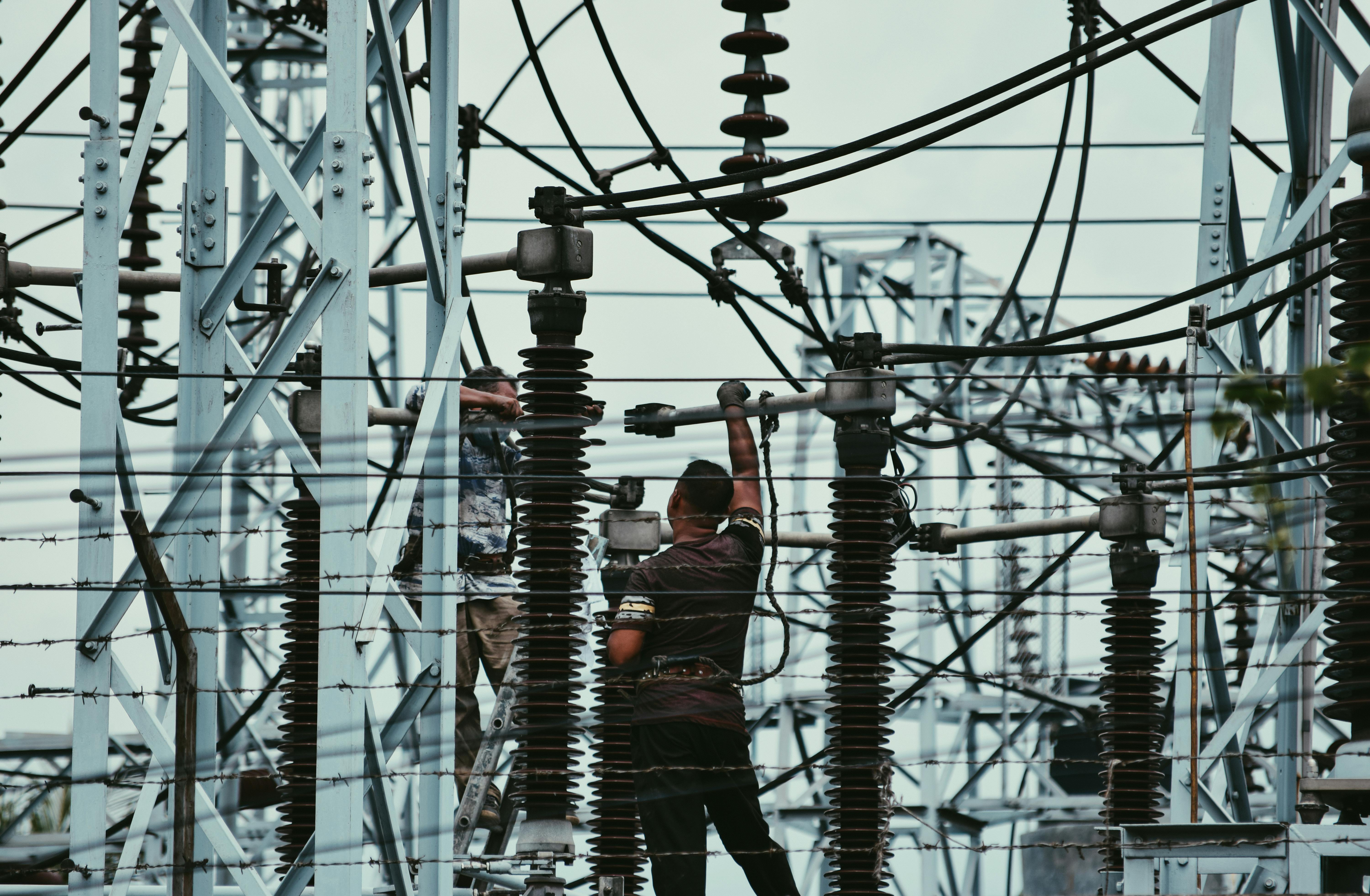
The problem isn’t grid capacity itself. Ausgrid’s CEO has publicly stated that EVs won’t overwhelm the network. The problem is the connection process: the approvals, transformer upgrades, and multi-stakeholder coordination required to actually get power to charging sites. A single fast charger site requires the electrical equivalent of a 14-apartment building; a commercial fleet depot running multiple DC fast chargers can reach megawatt-scale demand.
The Intium research puts stark numbers to the challenge: 69 per cent of projects missed financial close due to connection delays, and 78 per cent exceeded initial network connection cost modelling. Grid connection, while representing only 10 to 20 per cent of capital expenditure, accounts for up to 50 per cent of total project risk. Every year of delay also means continued fuel costs, missed emissions targets, and growing carbon liability under emerging regulations.
When targets meet reality
Ampol’s experience is instructive. The company targeted 300 fast charging bays by the end of 2024. It delivered 144 across 59 sites, less than half. At the time of reporting, 85 bays were either awaiting grid connection or under construction. The hardware was ready; the grid connection process wasn’t.
The broader picture is no better. By 2024, Australia had 68 electric vehicles per public charger (against a global average of 11:1), and 148 EVs per fast charger. While charging network growth has accelerated (a 90 per cent increase in high-power locations between 2023 and 2024), it simply isn’t keeping pace with vehicle sales.
The depot problem
For fleet operators, the challenge extends well beyond public charging. Electrifying a commercial fleet means equipping depots with serious power infrastructure: 50 to 100 kW per vehicle for overnight charging, potentially 500 kW or more for mid-haul operations, and megawatt-scale connections for large multi-vehicle sites.
Projects like Zenobē’s Mascot Hub (Australia’s first off-site electric truck charging depot, serving Woolworths’ fleet) and Team Global Express’s 60-truck deployment at Bungarribee show what’s possible, but both required years of planning and ground-up infrastructure builds. For most operators, this kind of transformation takes two to three years, assuming no unexpected delays in grid approvals.

Mobile charging as a bridging strategy
Rather than wait for the grid to catch up, a growing number of fleet operators are turning to mobile EV charging to keep their electrification timelines on track. Mobile energy storage and charging systems combine battery capacity with DC fast charging in portable, deployable units, requiring no grid connection, no permits, and no construction lead times. Modern systems offer 100 kWh to 2 MWh of storage, up to 180 kW charging speeds, and CCS1/CCS2 compatibility.
Fleet operators can begin EV deployments immediately at existing depots while permanent infrastructure works through the approvals process. Mining and construction sites get charging capability where grid infrastructure doesn’t exist. And once permanent installations come online, mobile units transition to overflow and backup roles rather than sitting idle.
Looking ahead
The smarter operators are running a parallel strategy: commence grid connection applications now (the process takes years, so early starts matter), deploy mobile charging for initial EV introductions, and build operational experience and real-world energy data in the interim. Permanent infrastructure can then be scaled based on proven requirements rather than theoretical projections.
Mining operations have been early movers in this approach, driven by the inherent challenge of powering remote sites. It is now spreading to ports, airports, and logistics operations facing similar constraints. The Intium survey found 66 per cent of business leaders expect the majority of their fleet to be electric within five years. Achieving that won’t happen by waiting for perfect infrastructure.
Australia’s grid connection challenges aren’t going to resolve quickly. The approval processes and infrastructure constraints that created the current backlog will take years to unwind. For fleet operators committed to their electrification timelines, the question has shifted from “when will infrastructure be ready?” to “how do we move forward without it?”
Mobile EV charging is one answer. It provides the flexibility to start now, the capability to operate where grid infrastructure doesn’t exist, and the resilience to maintain operations regardless of connection delays.
The organisations that figure this out won’t be waiting until 2030 for infrastructure to catch up. They’ll already be there.
***
Grid Rig provides mobile energy storage and EV charging solutions for mining, industrial, and fleet operations across Australia. Learn more or get in touch to discuss your requirements.