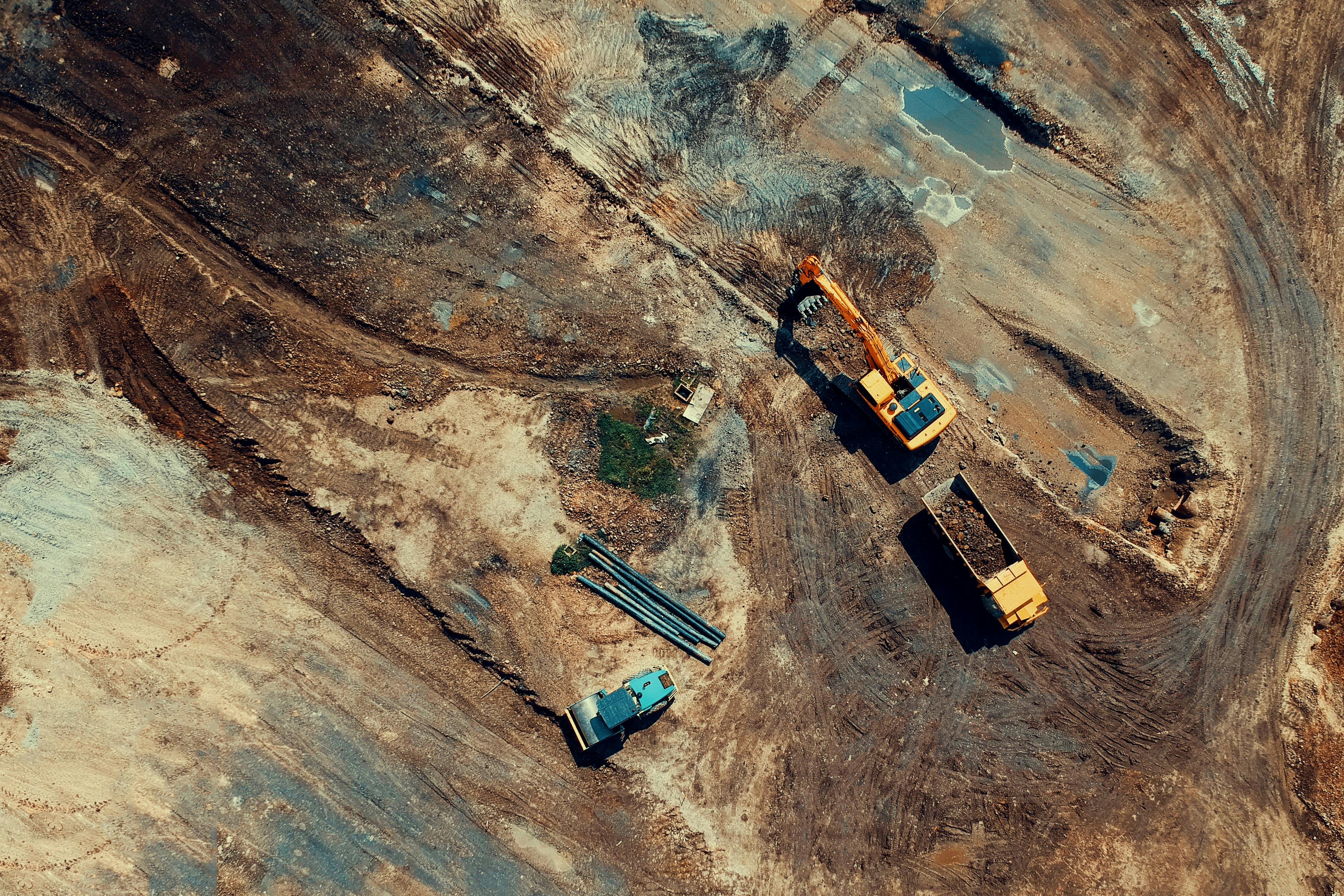
Electrification Beyond the Grid: Powering EVs Where the Infrastructure Isn’t
Henry Plunkett
Australia’s EV charging rollout is concentrated in cities. For mining, construction, and regional operators, electrification demands a different playbook entirely.
Every government incentive, every charging network expansion, every infrastructure announcement assumes the same thing: that you’re near a reliable power grid.
For mining operations in the Pilbara, construction projects in regional Queensland, or fleet depots servicing remote communities, this assumption doesn’t just miss the mark. It ignores reality entirely.
The infrastructure gap
Open any EV adoption guide and you’ll find the same advice: install workplace charging, use public fast chargers for top-ups. Sensible guidance, if you’re in Sydney, Melbourne, or Brisbane.
Australia’s EV charging rollout has been overwhelmingly urban-focused. The Electric Vehicle Council’s 2025 report counts 1,272 fast-charging locations nationally, a 20 per cent increase on the previous year. But the vast majority cluster around capital cities and major highways. NSW leads with 357 locations, Victoria follows with 311. Regional and remote Australia, where mining, construction, and agriculture generate a significant share of GDP, remains largely unserviced.
This isn’t an oversight, it’s economics. Charging networks follow population density and traffic patterns. A fast charger in metropolitan Melbourne might service dozens of vehicles daily. The same unit at a remote construction camp might see two or three. For private charging operators, the business case just isn’t there.
The reality of diesel
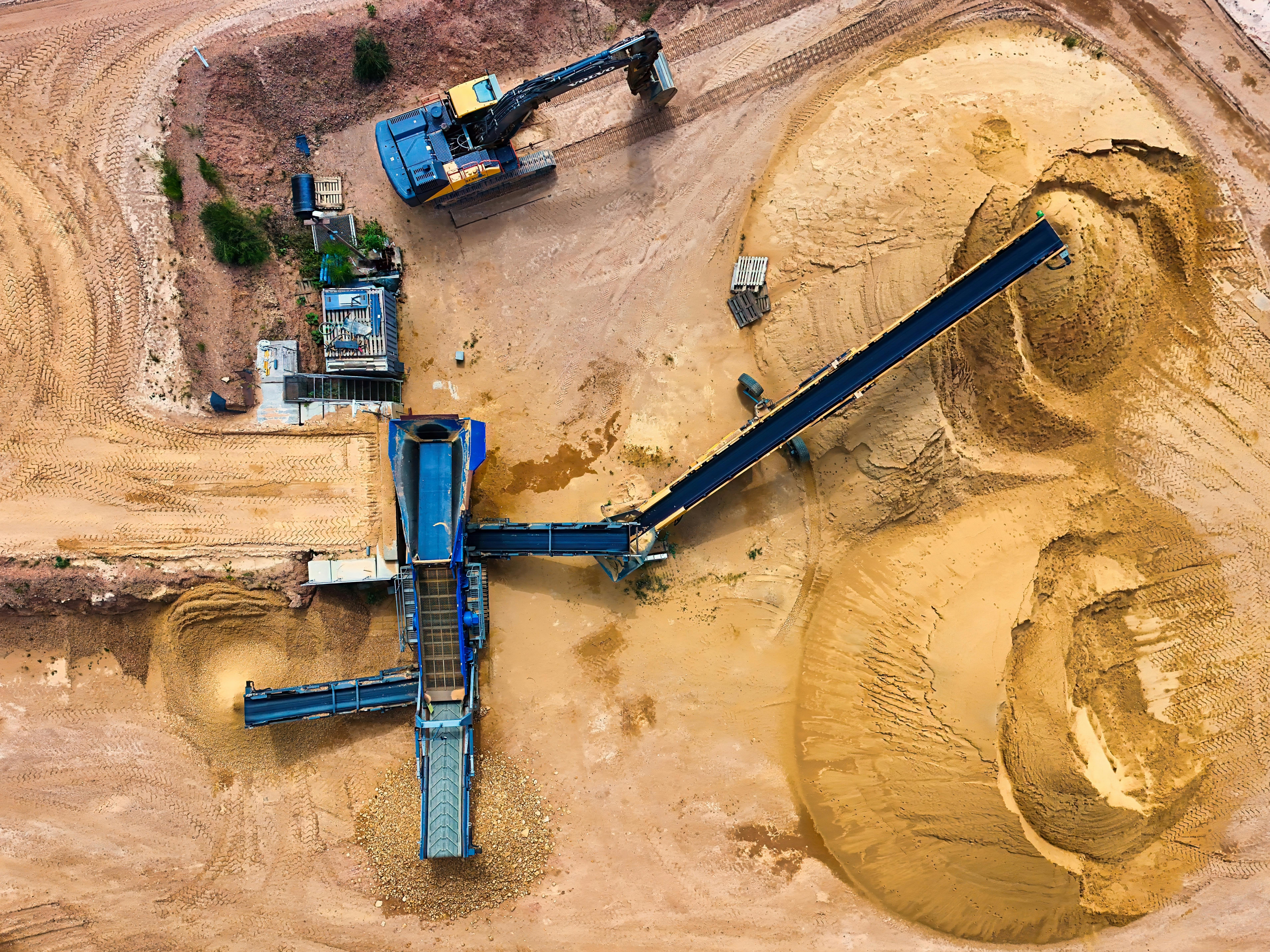
While the charging gap persists, remote operations remain locked into diesel. According to the Australian Renewable Energy Agency, the mining sector alone consumes roughly 500 petajoules of energy per year (about 10 per cent of Australia’s total), with diesel accounting for 41 per cent of that figure. For underground operations, diesel can represent up to 40 per cent of total energy costs. A fleet of 20 haul trucks can burn through more than 20 million litres annually.
The pressure to change is intensifying from multiple directions. BHP has allocated $4 billion from the 2030s for operational decarbonisation, with the majority earmarked for diesel displacement in haul trucks. Fortescue has deployed its first battery-electric excavator at its Cloudbreak mine, reaching one million tonnes of material moved by early 2024, with plans to eliminate 95 million litres of diesel annually once its fleet is fully electrified. Rio Tinto and South32 are running parallel programs.
The direction is clear; the question is how to deliver charging infrastructure at locations the grid was never designed to reach.
Bridging the gap
A growing number of operators aren’t waiting for the grid. Instead, they’re pursuing alternative power strategies suited to remote conditions.
Solar-battery hybrid microgrids have emerged as the most proven approach. Gold Fields’ Agnew Gold Mine in Western Australia operates a hybrid renewable microgrid combining 18 MW of wind, 4 MW of solar, and a 13 MW battery system. The project delivers between 50 and 60 per cent of the site’s energy from renewables, with peaks above 85 per cent in optimal conditions.
Sandfire Resources’ DeGrussa copper mine demonstrated the model earlier with a 10.6 MW solar installation offsetting up to 20 per cent of diesel consumption.
These projects prove the concept, but they require years of planning and significant capital investment tailored to a single site. For operations that need charging capability now, or across multiple locations, mobile battery energy storage and charging systems offer a faster path.
Modern mobile units provide 100 kWh to 2 MWh of storage capacity with DC fast charging up to 180 kW. They require no grid connection, no permits, and no construction lead times. Units can be deployed to a mine site, relocated to a construction project, and redeployed elsewhere as operational needs change.
A practical pathway
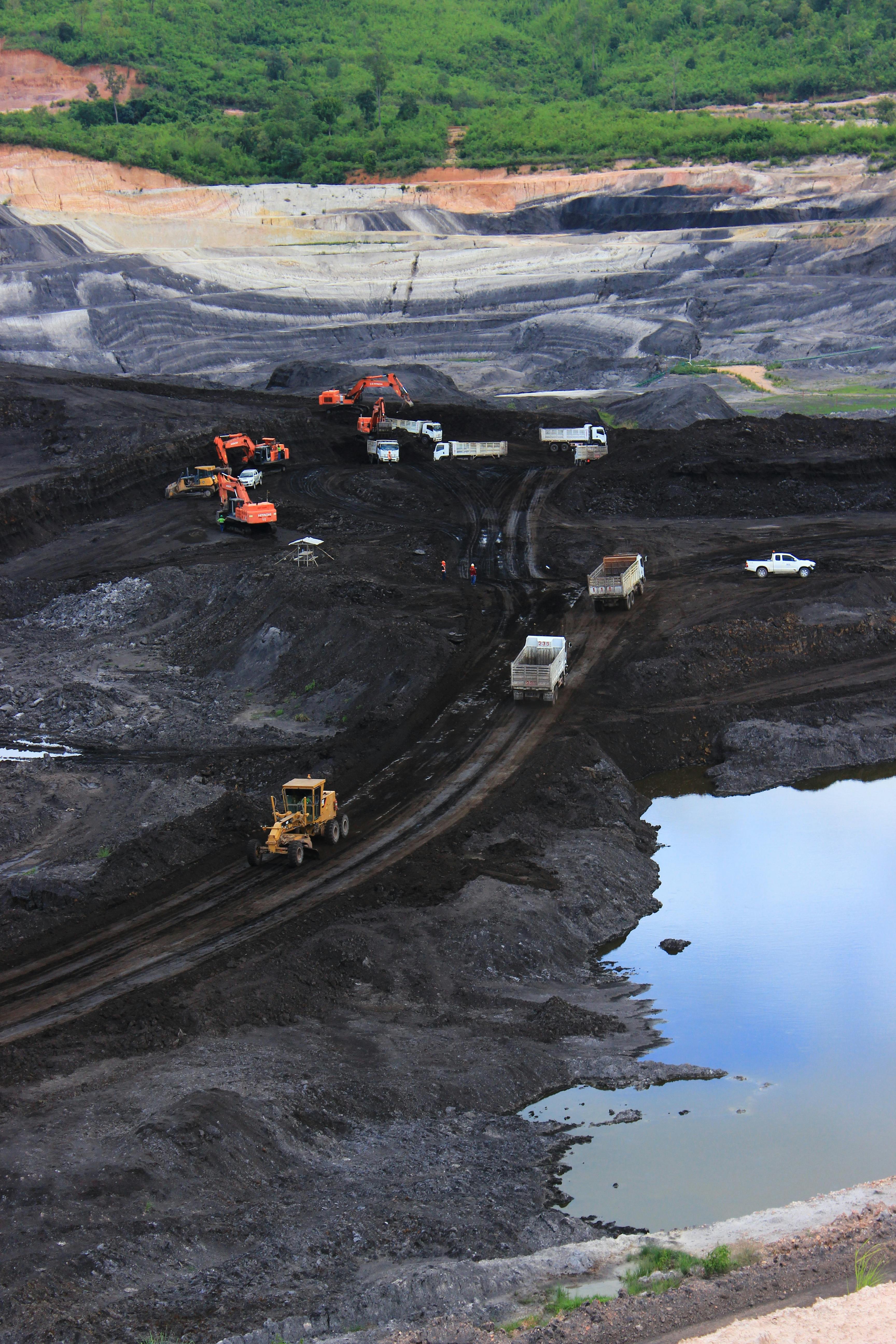
The most effective approach for remote operations combines both strategies. Permanent renewable microgrids deliver long-term energy security at established sites, while mobile charging systems handle the interim period, short-duration projects, and locations where permanent infrastructure can’t be justified.
Mining contractors rotating between projects can electrify their fleet without building charging infrastructure at every site. Construction companies can adopt electric equipment on projects lasting six to twelve months without applying for grid connections that will outlast the project itself. Equipment hire companies can deploy charged, mobile power alongside their machinery.
The infrastructure gap between urban Australia and the regions where heavy industry operates is real, and it isn’t closing quickly. Government investment continues to prioritise population centres (rightly, in terms of vehicles served per dollar spent), which means remote operators will be funding their own solutions for the foreseeable future.
The organisations recognising this now, and investing in flexible, deployable charging capability rather than waiting for grid extensions that may never arrive, will be the ones that keep their decarbonisation commitments on schedule.
***
Grid Rig delivers mobile energy storage and EV charging solutions engineered for Australian mining, construction, and industrial operations. Get in touch to discuss your remote charging requirements.