Why CFOs Should Own the Site Power Decision
Grid Rig
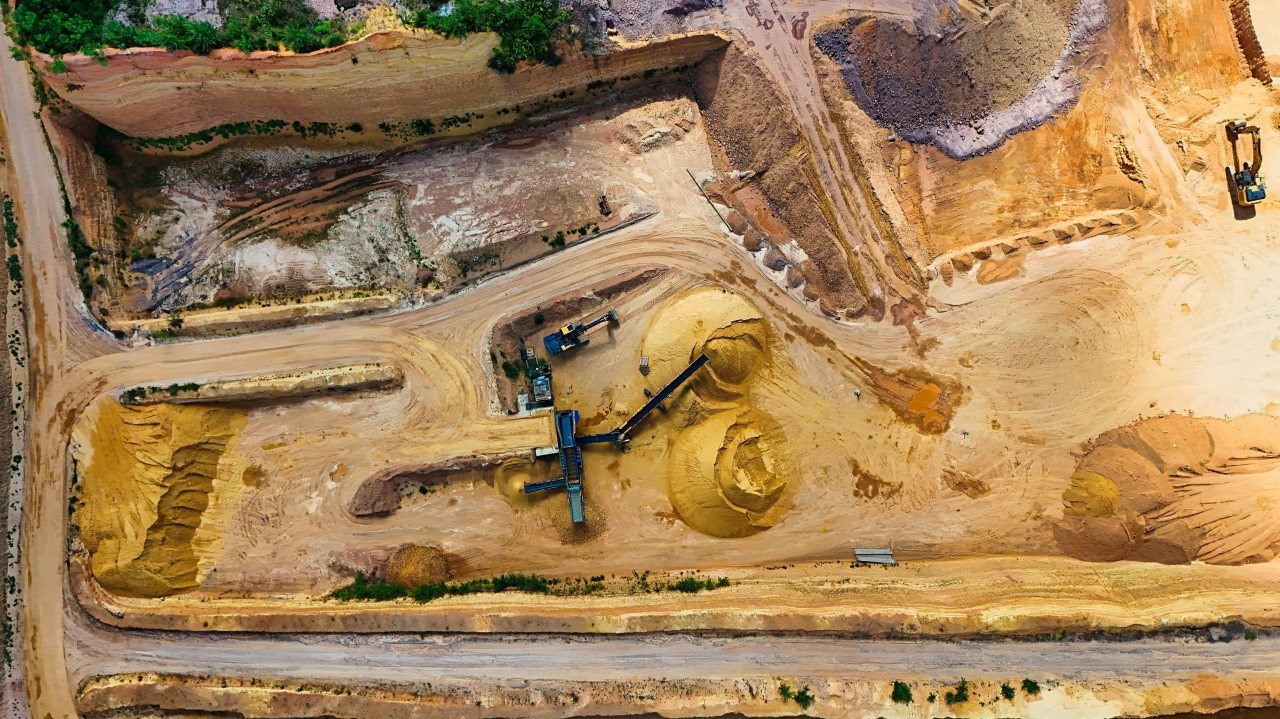
Picture a mid-tier mining contractor that has just won a five-year services contract and wants to run electric loaders on site. The equipment decision goes to the board. The charging decision goes to the engineers. Six months later, the business has committed several hundred thousand dollars to trenching, switchboard upgrades, and fixed charging bays on land it does not own, for a contract that may not be renewed.
Nobody made a mistake, exactly. The engineering was sound. But no one asked the question a CFO would ask of any other capital commitment: what happens to this asset when the work ends?
The stranded capital problem
Fixed charging infrastructure is expensive, and most of the expense is immovable.
Australian industry pricing puts DC fast chargers at $30,000 to $150,000 or more per unit, before site works, trenching, cabling, and switchboard upgrades that can add tens of thousands per site. A depot installation serving a 50-vehicle fleet typically carries $300,000 to $600,000 in capital expenditure, plus $30,000 to $50,000 a year in software and maintenance. Where a high-capacity grid connection is needed, the NSW Government's own guidance describes the supply upgrades as complex and potentially expensive, with costs on top of everything above, and as we have covered previously, connection timelines routinely run 18 to 24 months.
This isn’t a problem for a permanent depot. The same industry analysis puts the break-even point for owned charging infrastructure at seven to twelve years, and a logistics operator running the same site for two decades will clear that comfortably.
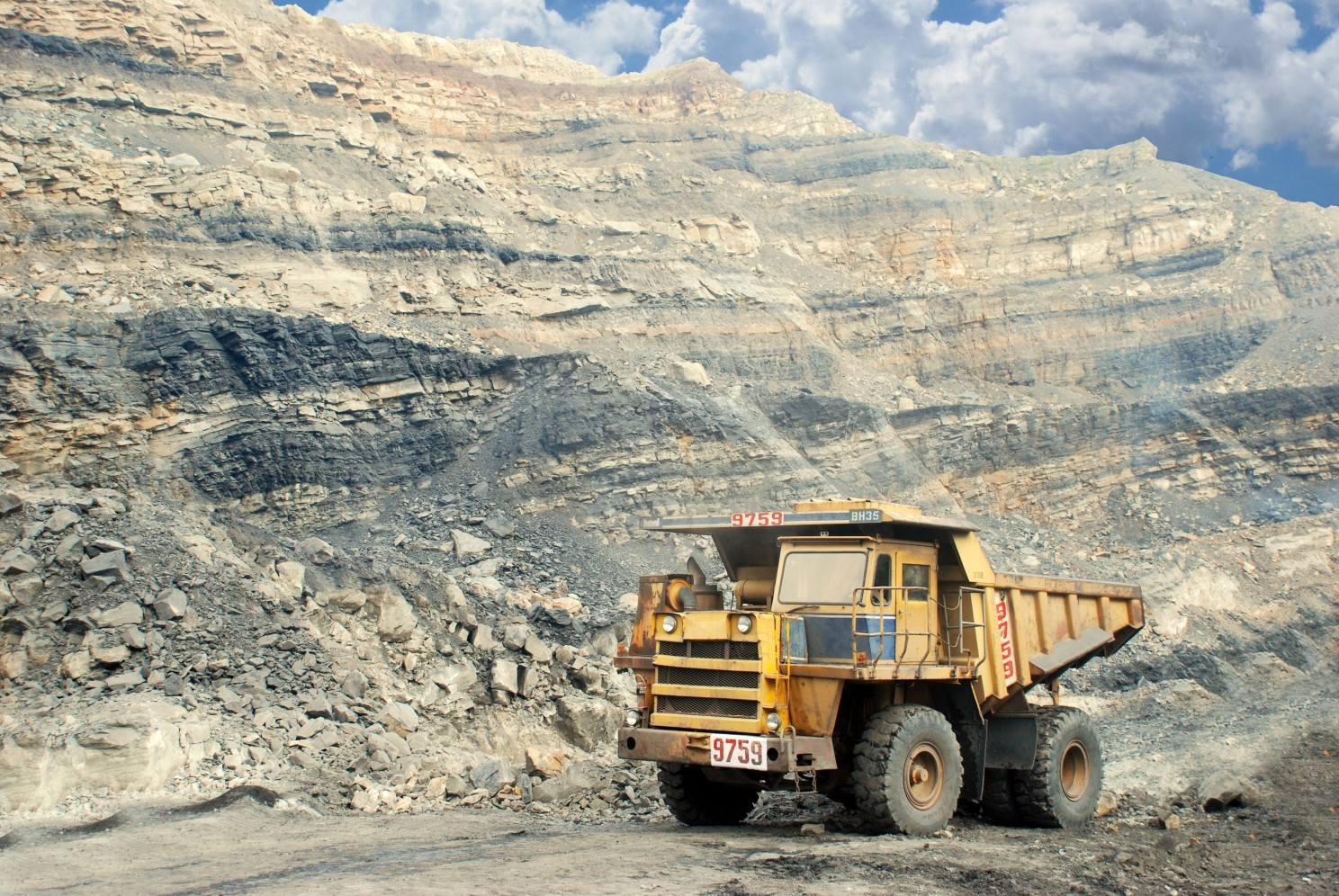
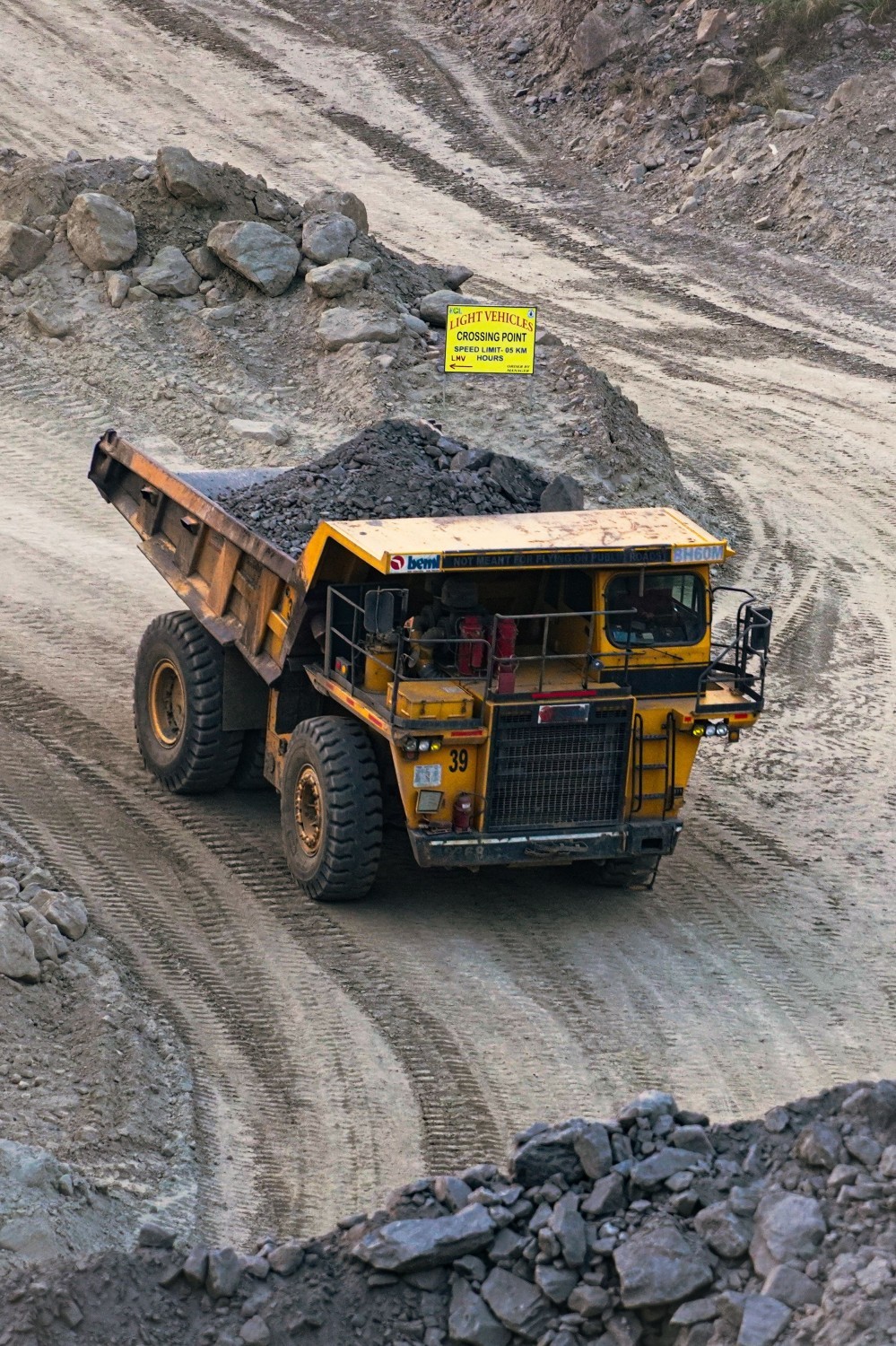
The problem is that very little industrial work stays in one place for seven to twelve years. Mining services contracts run three to five. Construction projects run one to three. Drilling programs move quarterly. When the work ends, the trenching, cabling, and civil works stay behind. In any other context, capital sunk into an asset that outlives its earning life has a name: a stranded asset. The fact that the asset is buried under a laydown yard does not change the accounting reality.
Capital that follows the work
The alternative is to treat site power the way operators already treat every other piece of productive plant: as equipment that follows the work.
A mobile battery energy storage and charging unit serves the current contract, then the next one, then the one after that. Its cost is recovered across every site it works on rather than one location. It scales with the fleet you actually have rather than the fleet you forecast, which matters when electric equipment is being introduced progressively rather than all at once. If the business changes direction, a mobile unit can be redeployed or sold. A trench cannot.
How that asset is acquired, whether purchased, leased, or rented, changes how it sits on the balance sheet and how it is treated for tax. Those decisions are specific to each business, and operators should take advice from their own accountants. But the strategic point remains: matching the mobility of your energy infrastructure to the mobility of your operations removes the stranding risk entirely.
The revenue side of the equation
The stronger half of the business case is not about cost at all. It is about the work itself.
Australia's Safeguard Mechanism now covers 219 industrial facilities responsible for around 31 per cent of national emissions, with baselines that decline 4.9 per cent every year to 2030. Critically for contractors, diesel burned by contractor equipment on a covered site counts toward that site's emissions. Every litre a contractor burns is now a compliance problem for the client.
Layered on top is mandatory climate reporting. Australia's largest companies began disclosing under AASB S2 for financial years starting 1 January 2025, with mid-tier companies following from July 2026 and a third group from July 2027. Scope 3 reporting, which covers value chain emissions, becomes mandatory from each company's second year. In practice, that means suppliers and contractors with no reporting obligations of their own can expect their clients to demand emissions data, because the client cannot complete its own disclosures without it.
The market leaders have moved past reporting and into procurement. Fortescue has committed US$6.2 billion to eliminating fossil fuels from its Pilbara operations by 2030, ordered 360 battery-electric haul trucks, and reports its electrification program is already saving $300 to $400 million a year in fuel. A miner spending billions to take diesel off its sites will not be indifferent to the diesel its contractors bring on.
For a contractor, the arithmetic changes. The return on electric capability is no longer just fuel saved. It is tenders qualified for, contracts won, and relationships with Tier 1 clients that diesel-only competitors will find progressively harder to hold.
The practical mechanism
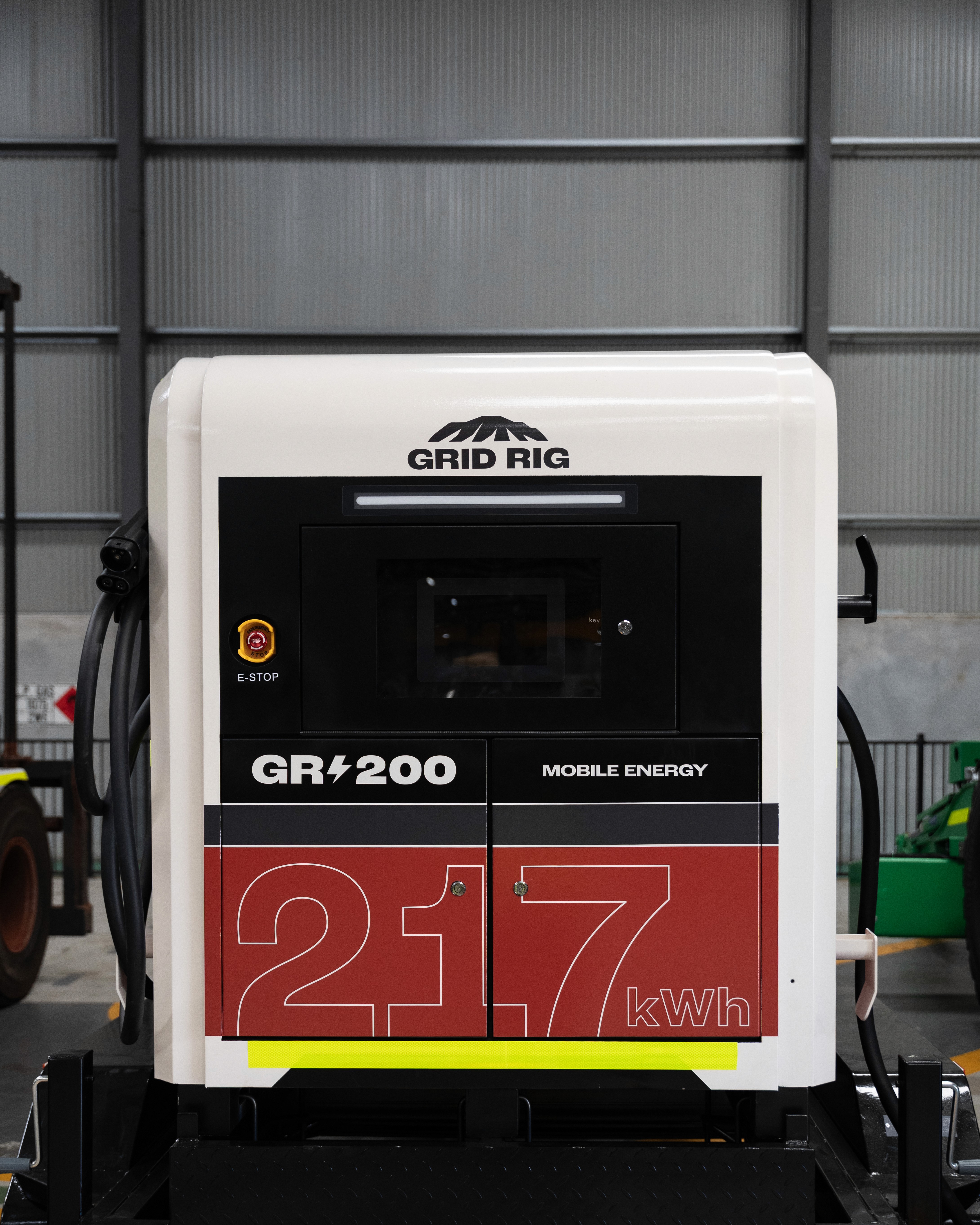
What makes this achievable now, rather than after years of infrastructure planning, is that charging no longer requires construction. Mobile battery energy storage and charging systems deliver 100 kWh to 2 MWh of capacity with DC fast charging, drawing from site power, renewables, or off-peak supply. A unit arrives on a truck, deploys in hours, requires no grid connection or civil works, and leaves when the contract does. Electric capability becomes something a contractor can bid with this quarter, not a capital program with a two-year lead time.
The question facing operators is no longer whether industrial electrification is coming. Their largest clients have already answered that. The question is whether the capital structure of their response matches the way they actually work. Engineering determines what is possible on a site. Capital allocation determines what is profitable. That second question belongs to the CFO.
Grid Rig provides mobile energy storage and EV charging solutions for mining, construction, and industrial operations across Australia. Get in touch to discuss your requirements.