Charging on the Move: EV Solutions for Operations That Don’t Stay in One Place
Ryan McClenaghan
Most EV charging assumes vehicles return to a fixed depot every night. For many remote construction projects and mining contractors, that assumption falls apart on day one.
The standard model for fleet electrification is straightforward: install chargers at your depot, plug vehicles in overnight, and dispatch them fully charged each morning. It works for logistics companies with permanent distribution centres or councils with established work yards. But it assumes something many Australian operations don’t have: a fixed home base.
Construction crews relocate to new sites every few months. Mining contractors rotate between projects across different regions, sometimes different states. For these operators, the depot-charging model isn’t just inconvenient. It’s irrelevant.
The construction site problem
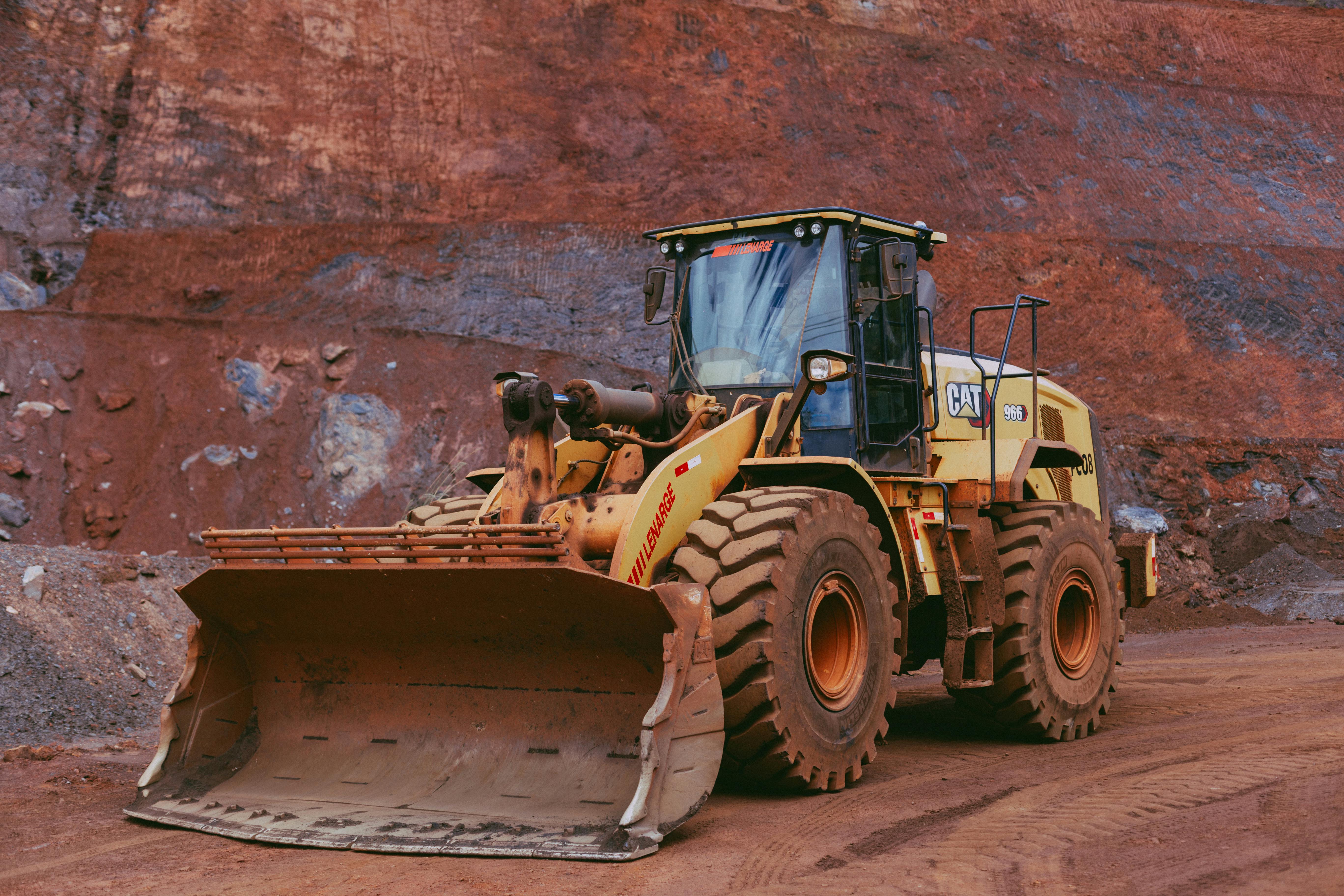
When a construction project establishes a new site, one of the first requirements is temporary power. In Western Australia, a temporary builder’s supply through Western Power starts at $555 for the connection fee, with additional costs for the pole, metering, and electrician installation. That covers basic site power: lighting, tools, offices. It does not cover the kind of electrical capacity required to charge heavy equipment.
For larger commercial connections, Western Power’s process can take 14 to 18 months for approval and installation. That timeline sits uncomfortably against the reality of construction project durations. ABS data on building completion times shows that even residential builds now average 3.3 quarters (roughly 10 months) nationally, with Western Australia peaking at 5.4 quarters (16 months) in early 2024. Civil and commercial projects run longer, but the point stands: by the time a grid connection is approved for EV charging at a construction site, many projects are already winding down.
There’s also the regulatory layer. Electrical installations on construction sites must comply with AS/NZS 3012:2019, which governs temporary electrical installations. Adding high-power EV charging to a temporary site supply introduces complexity most project managers would rather avoid, particularly when the infrastructure will be decommissioned at project completion.
Mining contractors: no fixed address
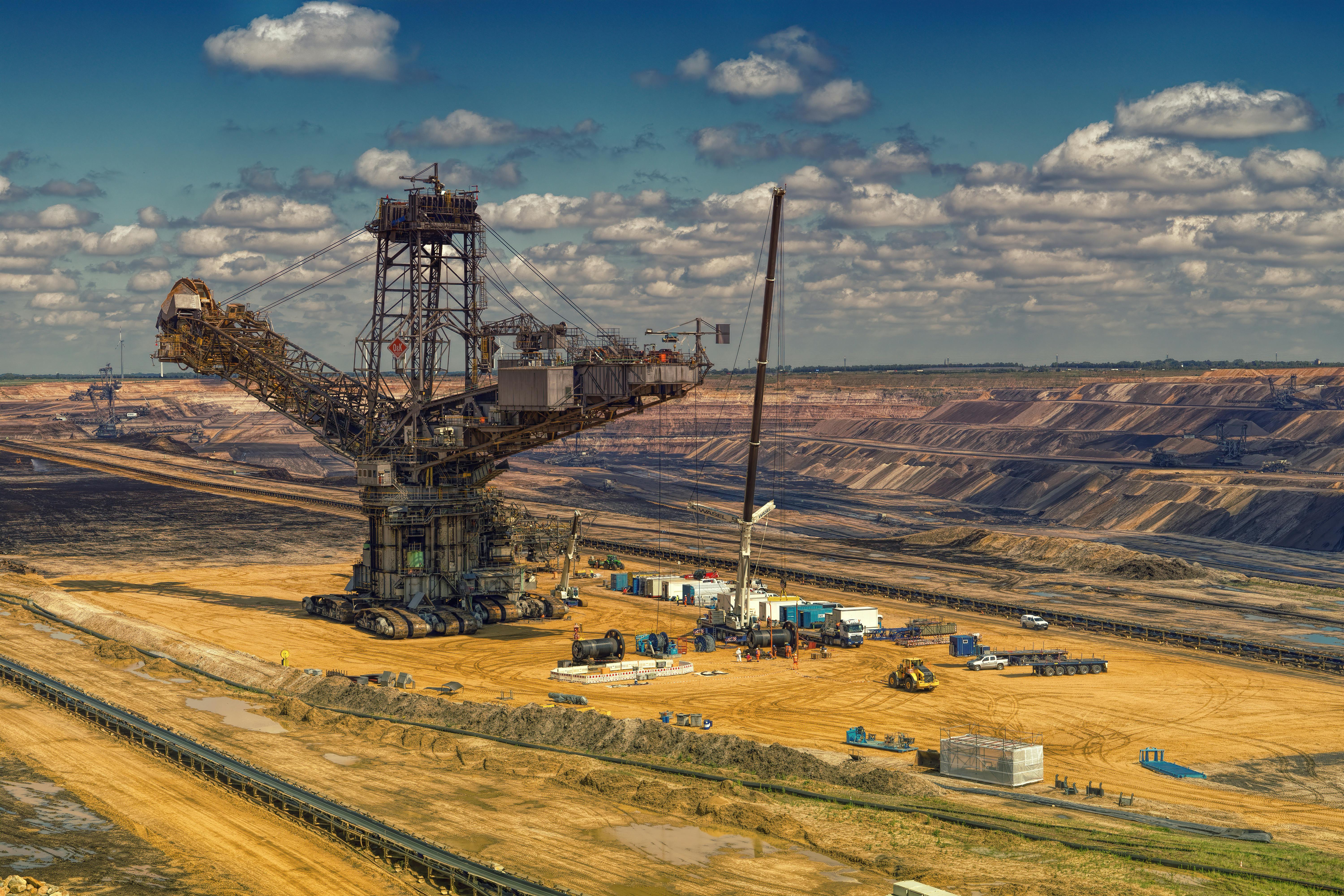
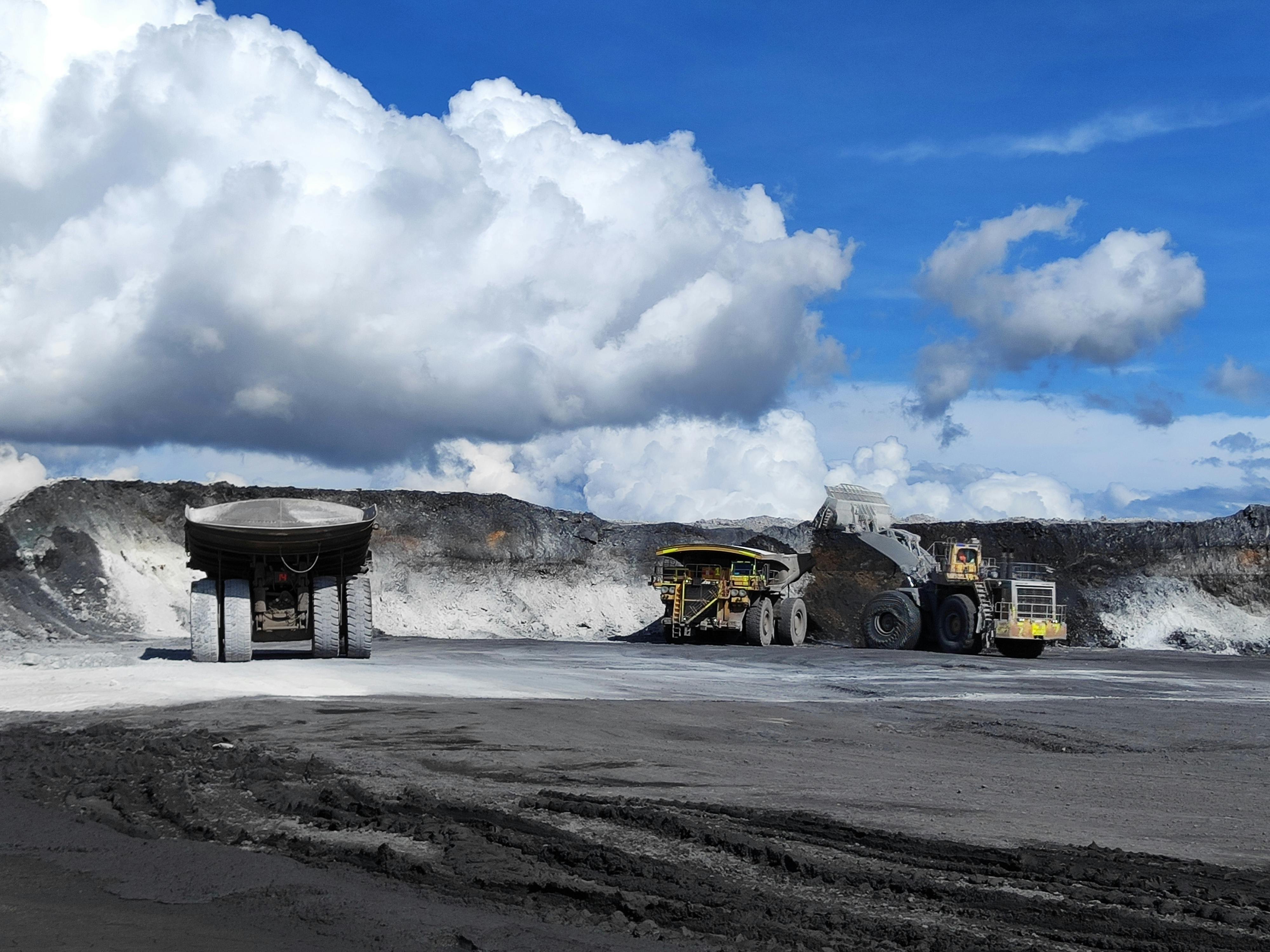
Mining contractors face a different version of the same problem. Unlike owner-operators who control a single site for decades, contractors move between projects on cycles ranging from six months to several years. A drilling contractor might work three different Pilbara sites in a single year. An earthmoving company could shift from a mine expansion in Western Australia to a port development in Queensland.
The WA Department of Mines reports that the state’s resources sector employs over 135,000 workers, with a significant proportion operating on fly-in, fly-out rosters across remote locations. For contractors servicing these operations, investing in permanent charging infrastructure at any single site makes little financial sense. The asset stays behind when the contract ends.
Yet the pressure to electrify is real. Tier 1 mining companies are increasingly writing emissions requirements into their procurement contracts. Contractors who can demonstrate electric or hybrid capability have a competitive advantage in tender processes. Those who cannot may find themselves excluded from the highest-value work.
A charging solution that moves with the operation
The practical answer for mobile operations is charging infrastructure that is itself mobile. Mobile battery energy storage and charging systems combine stored energy with DC fast charging in self-contained, relocatable units. They require no grid connection, no development application, and no construction lead time. A unit can be delivered to site, operational within hours, and relocated to the next project when the work moves on.
Modern systems range from 100 kWh to 2 MWh of storage, with charging speeds up to 180 kW and CCS1/CCS2 compatibility. Smaller units can be van-mounted or towed; larger systems are containerised for crane or flatbed transport. Units recharge from any available source (grid, generator, or solar) during off-peak periods and deliver stored energy on demand.
For construction companies, this means electric equipment can be deployed on projects of any duration without applying for grid upgrades that will outlast the build. For mining contractors, it means charging capability travels with the fleet from contract to contract, turning what would be a stranded asset into a redeployable one.
Planning for mobility
The smarter approach to electrification for mobile operations starts by accepting that infrastructure and operations need to move at the same pace. Rather than retrofitting the fixed-depot model onto inherently mobile businesses, the focus shifts to building a portable energy ecosystem: charging assets that are part of the fleet, not part of the site.
This also changes the financial model. Instead of sinking capital into permanent installations that serve a single location, mobile charging becomes an operational asset with a useful life spanning multiple projects. The same unit that charges excavators on a road construction project in January can support a mine site expansion in July.
Australia’s construction and mining sectors are under growing pressure to decarbonise, but the solutions on offer have largely been designed for operations that stay in one place.
For the thousands of businesses whose work moves, the question has never been whether to electrify, but how to electrify without being anchored to infrastructure they’ll leave behind. Portable, self-contained charging could be the missing piece.
***
Grid Rig provides mobile energy storage and EV charging solutions for construction, mining, and industrial operations across Australia. Get in touch to discuss your requirements.